Van solar install mistakes to avoid
Van Solar Install Mistakes to Avoid: Powering Your Road Life the Right Way
1. Underestimating Power Consumption: The Cardinal Sin
This is the single biggest pitfall. Before touching a single solar panel, meticulously calculate your daily power consumption. Don’t guess. List every device: refrigerator, lights, phone chargers, laptops, fans, water pump, cooking appliances (induction cooktop?), and any other potential energy hog. Determine the wattage each draws (check the labels or manuals) and estimate the hours of use per day. Add a buffer, at least 20%, for unexpected usage and device inefficiencies. Tools like kill-a-watt meters can be invaluable for accurate measurements. A spreadsheet with clearly itemized power needs is crucial. Undersizing your system leads to chronic power shortages, a frustrating and ultimately expensive error. Conversely, significantly over-specifying wastes money and adds unnecessary weight.
2. Choosing the Wrong Battery Type and Capacity:
The battery is the heart of your solar power system. Selecting the wrong type or capacity leads to premature battery failure, reduced efficiency, and potential safety hazards. AGM (Absorbed Glass Mat) batteries are a common starting point, offering a balance of cost and performance, but Lithium Iron Phosphate (LiFePO4) batteries are increasingly preferred despite the higher initial cost. LiFePO4 offers significantly longer lifespan, higher depth of discharge (DoD), lighter weight, and better performance in extreme temperatures. Consider your budget, weight constraints, and power demands.
Equally important is battery capacity, measured in Amp-hours (Ah). Match this to your daily consumption. A general rule is to aim for at least 2-3 days of autonomy (power reserve) in case of cloudy weather. Remember that lead-acid batteries (AGM, GEL) should ideally not be discharged below 50% DoD to prolong their lifespan, while LiFePO4 can handle 80-90% DoD. Choose a battery system that matches your power needs and charging characteristics.
3. Panel Placement Without Shadow Analysis:
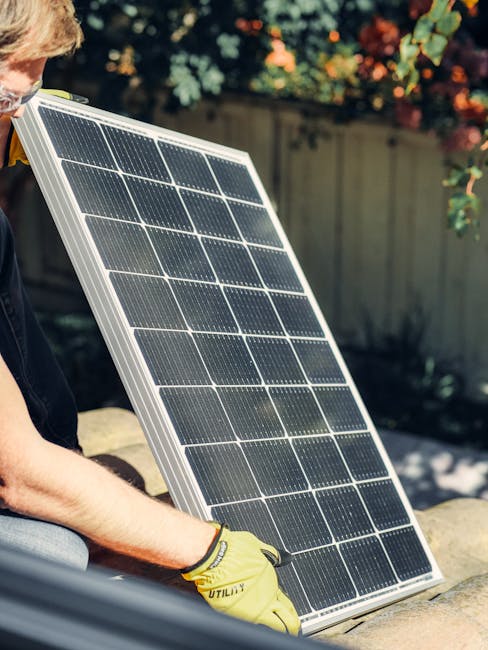
Sunlight is your fuel. Shading significantly reduces solar panel output, even small shadows cast by antennas, roof racks, or trees. Use a solar pathfinder or a sun charting app to map the sun’s trajectory throughout the year at your planned travel locations. This helps identify potential shading issues during different seasons. Consider adjustable mounting brackets to tilt panels for optimal sun exposure, especially during winter months when the sun angle is lower. Prioritize unobstructed, south-facing (in the Northern Hemisphere) or north-facing (in the Southern Hemisphere) panel placement. Every shadow casts a shadow on your power production.
4. Ignoring Weight Considerations:
Weight is critical in a van build. Solar panels, batteries, wiring, and mounting hardware add significant weight, impacting fuel efficiency and potentially exceeding the van’s load capacity. Choose lightweight panels, like flexible or lightweight rigid options. Distribute the weight evenly to maintain vehicle balance. Consider the overall weight of your build, including furniture, water tanks, and other equipment. Overloading the van can damage suspension, tires, and brakes, leading to safety issues. Consult your van’s specifications for maximum load capacity and axle weight limits.
5. Skimping on Wiring and Fuses:
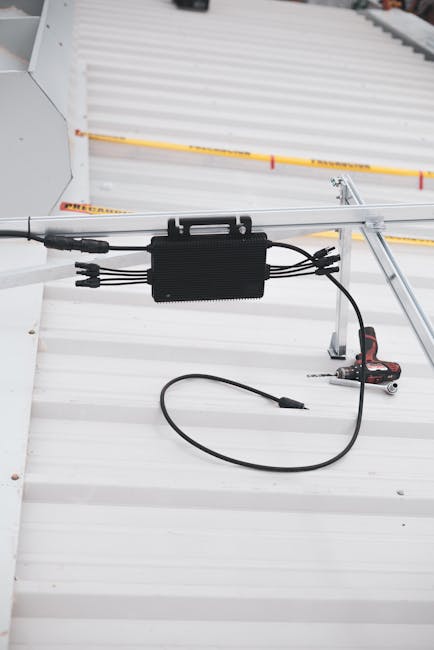
Electrical wiring is the circulatory system of your solar setup. Using undersized wiring can lead to voltage drop, overheating, and even fire hazards. Consult a wiring size chart based on amperage and cable length to choose the correct gauge wire. Invest in high-quality, marine-grade (tinned copper) wiring, which is more resistant to corrosion in a mobile environment. Proper fusing is crucial for protecting your system from overcurrent. Fuse all circuits at the appropriate amperage rating, placing fuses as close as possible to the battery and solar charge controller. Don’t compromise on safety; this is not an area to cut corners.
6. Neglecting Ventilation for Batteries and Inverter:
Batteries, especially lead-acid types, produce gasses during charging and discharging. Inverters also generate heat. Proper ventilation is essential to prevent the buildup of flammable gasses and overheating, which can damage the equipment or create a fire hazard. Install batteries in a well-ventilated compartment, ideally vented to the outside. Ensure the inverter has adequate airflow around it. Consider installing a small fan to circulate air in enclosed battery compartments.
7. Ignoring Proper Mounting Techniques:
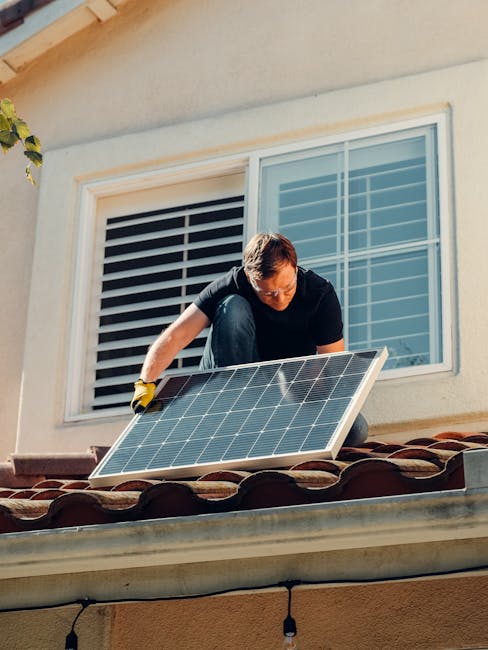
Securely mounting solar panels is paramount. Poorly mounted panels can detach during driving, causing damage to the panels themselves, the van, and potentially endangering other vehicles. Use appropriate mounting hardware designed for van roofs. Consider aerodynamic fairings to reduce wind resistance and noise. Properly seal all mounting points to prevent water leaks. Regularly inspect the mounting hardware for looseness or damage. Choose a mounting method appropriate for your roof type (e.g., using VHB tape for flat surfaces or mounting rails for curved surfaces).
8. Poor Grounding Practices:
Proper grounding is crucial for safety and preventing electrical noise. Ground all components to the chassis of the van. Use a thick grounding wire and ensure a solid connection to a clean, unpainted metal surface. This helps protect against electrical shocks and ensures the proper operation of electronic devices. A poorly grounded system can introduce interference and damage sensitive equipment.
9. Forgetting System Monitoring:
Installing a solar power system without monitoring its performance is like driving blind. Install a battery monitor that displays voltage, current, state of charge, and other relevant parameters. This allows you to track your power usage, identify potential problems early, and optimize your system’s performance. Many solar charge controllers have built-in monitoring capabilities, or you can purchase a separate battery monitor.
10. Skipping Professional Consultation or Installation (When Necessary):
While DIY solar installations are common, complex systems or those involving high voltage can be dangerous and require specialized knowledge. If you are unsure about any aspect of the installation, consult with a qualified solar installer or electrician. They can help you design a safe and efficient system, ensuring it meets all applicable codes and regulations. A professional installation can save you time, money, and potential headaches in the long run. Even if you plan to DIY, a consultation can provide valuable insights and guidance. Remember that electrical work, especially in mobile environments, requires a thorough understanding of safety principles. Avoid overlooking this critical consideration.