High Efficiency Solar Panels for Off-Grid Vans: Maximize Power
High-Efficiency Solar Panels for Off-Grid Vans: Maximize Power
Van life is synonymous with freedom, exploration, and disconnecting from the grid. But even off-grid adventures require power – for lighting, refrigeration, cooking, charging devices, and potentially running appliances. High-efficiency solar panels are the cornerstone of a robust off-grid van power system, allowing you to harness the sun’s energy and enjoy the comforts of modern life while embracing a nomadic lifestyle. This article delves deep into the world of high-efficiency solar panels for vans, covering essential aspects from panel types and technologies to installation considerations and system optimization.
Understanding Solar Panel Efficiency:
Efficiency is the percentage of sunlight a solar panel converts into usable electricity. A higher efficiency rating means more power generation from the same surface area. In the confined space of a van roof, maximizing efficiency is crucial. Standard residential solar panels typically range from 15% to 20% efficiency. High-efficiency panels used in van applications often exceed 20%, reaching as high as 24% or even 25% in some cases. This translates to a significant difference in power output, especially in less-than-ideal sunlight conditions.
Types of High-Efficiency Solar Panels for Vans:
Several panel types offer increased efficiency suitable for van installations. These include:
-
Monocrystalline Solar Panels: These panels are made from a single, highly pure silicon crystal. This uniformity allows for better electron flow and thus, higher efficiency. They are typically black or dark blue in color and are known for their sleek appearance. Monocrystalline panels are generally more expensive than polycrystalline panels but offer superior performance, particularly in warmer temperatures.
-
PERC (Passivated Emitter and Rear Cell) Solar Panels: PERC technology enhances the efficiency of both monocrystalline and polycrystalline panels. A passivation layer on the rear of the cell reflects unabsorbed light back through the silicon, giving it a second chance to generate electricity. This improvement can boost efficiency by several percentage points, making PERC a popular choice for high-efficiency applications.
-
Back-Contact Solar Panels: Also known as IBC (Interdigitated Back Contact) panels, these panels have all the electrical contacts on the rear of the panel. This design eliminates shading from the front, maximizing sunlight absorption and boosting efficiency. Back-contact panels are often the most expensive option, but they offer the highest efficiency available, making them ideal for situations where space is at a premium. Brands like SunPower are renowned for their high-efficiency back-contact panels.
-
Flexible Solar Panels: While not always the highest in absolute efficiency, flexible solar panels offer a crucial advantage for van installations: conformability. They can bend and adhere to curved surfaces, allowing for installation on non-flat van roofs. However, flexible panels often have lower overall lifespan and are more susceptible to damage from heat and flexing. Choose reputable brands and carefully consider installation methods to mitigate these risks. High-quality flexible panels utilize efficient cell technologies like monocrystalline and PERC to maximize power output.
Factors Affecting Solar Panel Performance in Van Applications:
Even the most efficient solar panels won’t perform optimally without careful consideration of environmental factors and system design.
-
Sunlight Angle and Orientation: The angle at which sunlight strikes the solar panel significantly impacts power generation. Ideally, the panel should be perpendicular to the sun’s rays. Since vans are mobile, the angle is constantly changing. Tilting mechanisms can be used to adjust the panel angle for optimal sunlight capture, particularly when parked for extended periods. Consider the typical latitude of your travels when choosing a fixed mounting angle.
-
Shading: Even partial shading can drastically reduce a solar panel’s output. Avoid parking under trees or near tall buildings that cast shadows. Regularly inspect your panels for debris, such as leaves or bird droppings, and clean them as needed. Consider using bypass diodes within the solar panel, which allow electricity to flow around shaded cells, minimizing the impact of partial shading.
-
Temperature: Solar panels are less efficient at higher temperatures. Heat reduces the voltage output of the panels. Choose panels with a low temperature coefficient (the percentage decrease in power output per degree Celsius increase) to minimize the impact of temperature on performance. Proper ventilation around the panels can also help dissipate heat.
-
Wiring and Connections: Use appropriately sized wiring to minimize voltage drop and ensure efficient power transfer from the panels to the charge controller and battery bank. Securely connect all wires and terminals to prevent corrosion and ensure a reliable connection.
-
Charge Controller Selection: The charge controller regulates the voltage and current flowing from the solar panels to the battery bank, preventing overcharging and extending battery life. Choose a high-efficiency MPPT (Maximum Power Point Tracking) charge controller, which optimizes the power extracted from the solar panels by continuously tracking the voltage and current at which they produce the most power. MPPT controllers are significantly more efficient than PWM (Pulse Width Modulation) controllers, especially in situations where the panel voltage differs significantly from the battery voltage.
Sizing Your Solar Panel System:
Determining the appropriate size of your solar panel system is crucial for meeting your power needs. This involves calculating your daily energy consumption and factoring in sunlight availability, panel efficiency, and system losses.
-
Calculate Daily Energy Consumption: List all the appliances and devices you’ll be using in your van, along with their wattage and average daily usage time. Multiply wattage by usage time to determine the daily watt-hours consumed by each device. Sum the watt-hours for all devices to get your total daily energy consumption.
-
Estimate Daily Sunlight Hours: Research the average daily sunlight hours (peak sun hours) for the regions you plan to travel to. This information can be found online through weather databases or solar irradiance maps.
-
Factor in System Losses: Account for losses in the wiring, charge controller, and battery bank. A conservative estimate for total system losses is 20-30%.
-
Calculate Required Solar Panel Wattage: Divide your total daily energy consumption (in watt-hours) by the daily sunlight hours and then divide the result by (1 – system losses percentage). For example:
- Daily energy consumption: 500 watt-hours
- Daily sunlight hours: 5 hours
- System losses: 25% (0.25)
Required solar panel wattage: 500 / 5 / (1 – 0.25) = 133.33 watts
Round up to the nearest commercially available solar panel size (e.g., 150 watts).
Installation Considerations:
Proper installation is critical for ensuring the longevity and performance of your solar panel system.
-
Mounting Options: Choose a mounting system that is compatible with your van’s roof and the type of solar panels you’re using. Common options include:
- Adhesive Mounting: Using specialized adhesives to directly attach flexible panels to the roof. Ensure the adhesive is compatible with the panel material and the van’s roof coating.
- Fixed Mounting Brackets: Bolting or bonding brackets to the roof to which the solar panels are attached. This provides a more secure and stable mounting solution.
- Tilting Mounts: Adjustable brackets that allow you to tilt the panels for optimal sunlight capture.
-
Roof Penetrations: If you need to drill holes in your roof for mounting brackets or wiring, use waterproof sealant to prevent leaks.
-
Wiring and Connections: Run wiring through a conduit to protect it from abrasion and weather. Use waterproof connectors to prevent corrosion.
-
Ventilation: Ensure adequate airflow around the solar panels to prevent overheating.
-
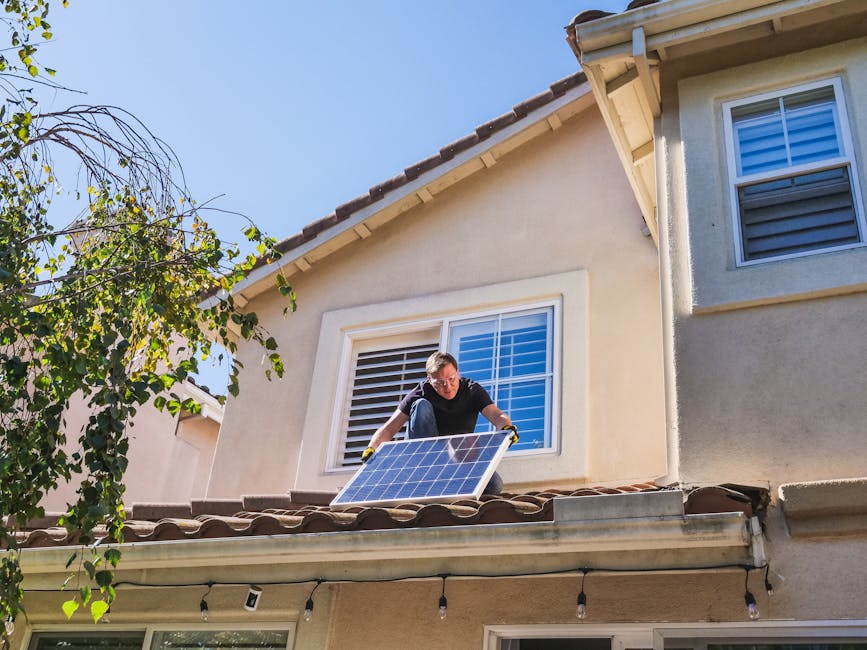
Professional Installation: If you are not comfortable with electrical work or roof modifications, consider hiring a qualified professional to install your solar panel system.
Maximizing Power Output:
Beyond choosing high-efficiency panels and installing them correctly, several strategies can help maximize power output:
-
Regular Cleaning: Keep your solar panels clean to remove dirt, dust, and debris that can block sunlight.
-
Battery Bank Health: A healthy battery bank is essential for storing the energy generated by your solar panels. Regularly check the battery voltage and electrolyte levels (if applicable) and maintain proper charging habits to prolong battery life.
-
Energy Conservation: Minimize your energy consumption by using energy-efficient appliances and devices. LED lighting, for example, consumes significantly less power than traditional incandescent bulbs.
-
Monitoring System: Install a battery monitor to track the performance of your solar panel system and identify any potential issues.
Choosing the right high-efficiency solar panels and implementing best practices for installation and system management are vital steps toward achieving reliable off-grid power in your van. This ensures you can enjoy the freedom of the open road without sacrificing the comforts of a modern lifestyle.