Portable Power Station for Van Life
Portable Power Stations: Your Van Life Electricity Essential
Van life, the epitome of freedom and adventure on four wheels, often comes hand-in-hand with challenges, particularly concerning power. Forget unreliable campsites with questionable electricity hookups; a portable power station is your ticket to off-grid independence, ensuring you can charge your devices, run essential appliances, and enjoy the comforts of home, wherever your journey takes you. Choosing the right power station, however, requires careful consideration. This guide dissects the key aspects, helping you navigate the landscape of portable power solutions for van life.
Understanding Your Power Needs: The Watt-Hour Calculation
The first and most crucial step is to accurately assess your power consumption. This dictates the required capacity of your power station, measured in watt-hours (Wh). List all the electrical devices you plan to use regularly, including:
- Lighting: LED string lights, reading lamps (calculate wattage per light and typical usage hours).
- Charging Devices: Smartphones, laptops, tablets, cameras, drones (check the charger’s input voltage and amperage – multiply these to find wattage).
- Kitchen Appliances: Fridge/Freezer (most power-intensive, note both running and startup wattage), blender, induction cooktop (if applicable), electric kettle, coffee maker.
- Entertainment: TV, speakers, gaming consoles.
- Tools/Other: Electric fan, heater (use sparingly due to high power demand), hair dryer, electric toothbrush.
Once you have the list, estimate the daily usage hours for each device. Multiply the wattage of each device by its daily usage hours to determine the daily watt-hour consumption per device. Add up the watt-hour consumption of all devices to get your total daily power needs.
For example:
- Smartphone charging (10W) x 2 hours = 20 Wh
- Laptop charging (60W) x 4 hours = 240 Wh
- LED lights (5W) x 6 hours = 30 Wh
- Fridge (50W running, 150W startup) x 24 hours (with compressor running intermittently for approximately 8 hours) = (50W x 8 hours) + (150W x (short startup bursts, estimate 1 hour equivalent)) = 400 Wh + 150 Wh = 550Wh
In this scenario, the total daily power need is 20 + 240 + 30 + 550 = 840 Wh.
Sizing Your Power Station: Capacity and Output
Based on your calculated daily power needs, you can determine the appropriate capacity for your power station. It’s advisable to add a buffer of at least 20-30% to account for inefficiencies and unexpected power surges. In the example above, you’d likely want a power station with at least 1000 Wh capacity.
Beyond capacity, consider the output wattage of the power station. This determines which appliances it can run simultaneously. Appliances like refrigerators and induction cooktops require significant surge power to start up. Ensure the power station’s surge output exceeds the startup wattage of your most power-hungry appliance.
Battery Chemistry: Lithium-ion vs. LiFePO4
Portable power stations typically use either lithium-ion (Li-ion) or lithium iron phosphate (LiFePO4) batteries. While both are lithium-based, they differ significantly in performance and longevity.
-
Li-ion: These are generally lighter and more energy-dense (more watt-hours per kilogram) than LiFePO4 batteries. They are often more affordable initially. However, they have a shorter lifespan (typically 500-800 cycles) and are more susceptible to degradation over time and in extreme temperatures.
-
LiFePO4: These batteries offer superior longevity, with lifespans often exceeding 2000 cycles, and some models reaching over 3500 cycles. They are also more thermally stable and safer than Li-ion batteries, making them a better choice for van life where temperatures can fluctuate significantly. While initially more expensive, their longer lifespan often makes them a more cost-effective investment in the long run.
Output Ports: Flexibility is Key
The availability of different output ports determines the versatility of your power station. Consider the following:
- AC Outlets: Standard household outlets for running appliances and charging devices that require AC power. Look for the number of AC outlets and their continuous/peak wattage.
- DC Ports: Commonly available in 12V (cigarette lighter style) and 5V (USB) varieties. Essential for charging phones, tablets, and other small devices.
- USB Ports: Include USB-A and USB-C ports for modern devices. USB-C Power Delivery (PD) ports offer faster charging for compatible devices.
- Anderson Powerpole Ports: Offer a robust and reliable connection for higher-power devices and solar panel input.
Charging Options: Embracing Renewable Energy
A crucial aspect of a portable power station for van life is its charging capabilities.
- AC Charging: Using a standard wall outlet is the most common charging method, but it’s less convenient when off-grid.
- DC Charging (Car Charger): Allows you to charge the power station while driving, maximizing energy replenishment during transit.
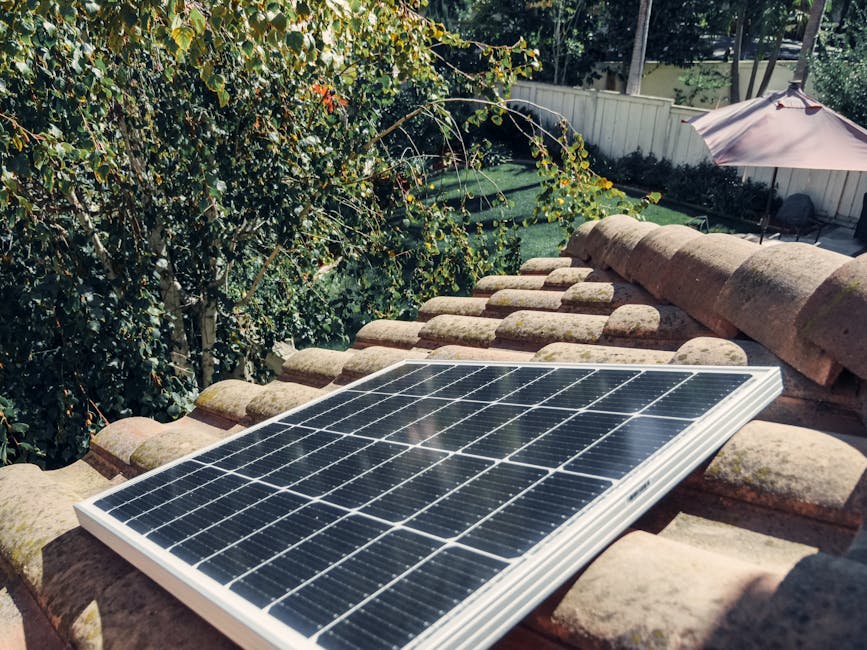
- Solar Charging: The ultimate off-grid solution. Investing in portable solar panels enables you to recharge the power station using the sun’s energy. Consider the solar input voltage and amperage requirements of the power station to select compatible solar panels. MPPT (Maximum Power Point Tracking) charge controllers within the power station optimize solar charging efficiency.
Size and Weight: Van Life Space Constraints
Space is a premium in a van. Carefully consider the dimensions and weight of the power station. Smaller, lighter models are easier to store and transport but may offer less capacity. Larger models offer greater capacity but occupy more valuable space. Balance your power needs with the constraints of your van layout.
Durability and Weather Resistance: Handling the Elements
Van life can expose your equipment to harsh conditions. Look for power stations with rugged construction, impact resistance, and some degree of water resistance. While a fully waterproof power station isn’t always necessary, protection against splashes and dust is highly desirable.
Features to Consider: Enhancing Functionality
- Display Screen: Provides information on battery level, input/output wattage, and remaining runtime.
- Built-in Lights: Integrated LED lights can serve as a convenient backup light source.
- Bluetooth Connectivity: Some power stations offer Bluetooth connectivity, allowing you to monitor and control them remotely via a smartphone app.
- Uninterruptible Power Supply (UPS): This feature allows the power station to automatically switch to battery power in the event of a power outage, ensuring continuous power to critical devices like a refrigerator.
- Pass-Through Charging: Allows you to simultaneously charge the power station and power devices connected to it. However, this can reduce battery lifespan slightly.
Popular Brands and Models: Research and Reviews
Numerous brands offer portable power stations, including Jackery, Goal Zero, Bluetti, EcoFlow, and Anker. Research different models within each brand, paying attention to user reviews and comparisons. Look for independent testing data to verify claimed specifications.
Warranty and Customer Support: Peace of Mind
A solid warranty and responsive customer support are crucial. Check the warranty period and coverage details before making a purchase. Read online reviews to gauge the manufacturer’s reputation for customer service.
Long-Term Considerations: Battery Degradation and Replacement
Batteries degrade over time, losing capacity with each charge cycle. Factor this into your long-term planning. Understand the expected lifespan of the battery and the cost of replacement. Choosing a LiFePO4 battery with a longer lifespan can significantly reduce long-term costs.
By carefully considering these factors, you can choose a portable power station that perfectly suits your van life needs, enabling you to enjoy the freedom of off-grid living without sacrificing the comforts of modern technology. Remember to prioritize safety and proper usage to maximize the lifespan and performance of your power station.
