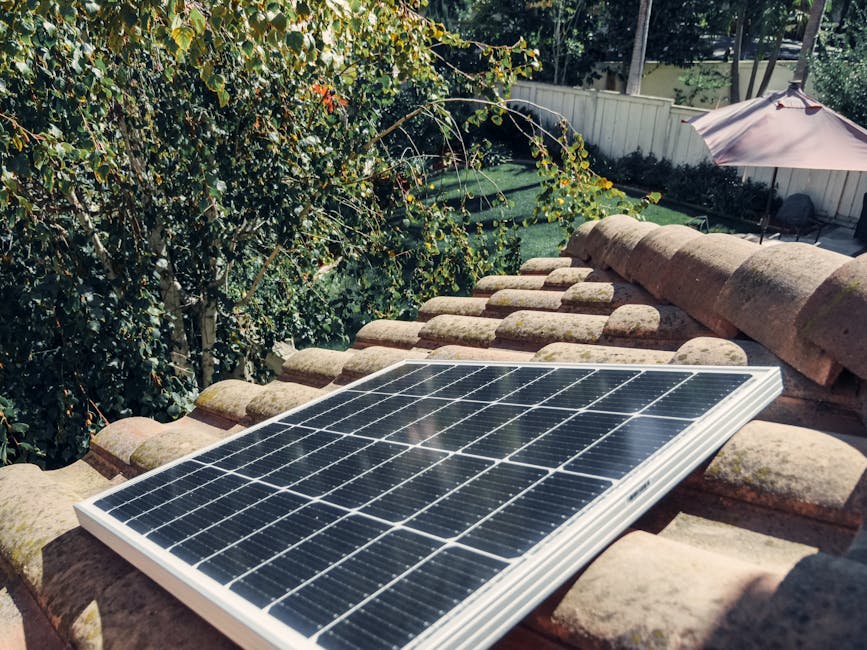
Deep Cycle Battery for Camping Solar System
Here’s your 1000-word article:
Deep Cycle Battery for Camping Solar System: Powering Your Off-Grid Adventures
Camping under the stars, miles away from civilization, is a dream for many. However, maintaining a comfortable and functional campsite requires power. While generators provide a solution, they are noisy, require fuel, and contribute to pollution. A camping solar system, coupled with a reliable deep cycle battery, offers a sustainable, quiet, and efficient alternative. Understanding the nuances of deep cycle batteries is crucial for building a robust and long-lasting off-grid power solution.
Understanding Deep Cycle Batteries: A Powerhouse for Prolonged Use
Unlike starting batteries (found in cars) designed to deliver a short, high-current burst to crank an engine, deep cycle batteries are engineered for sustained, low-current discharge over extended periods. This makes them ideal for powering appliances, lights, and devices throughout your camping trip. The key difference lies in their internal construction. Deep cycle batteries typically have thicker plates with a higher density of active material. This design enables them to withstand repeated charge and discharge cycles without significant degradation, which is essential for solar power applications.
Types of Deep Cycle Batteries: Navigating the Choices for Optimal Performance
The deep cycle battery market offers a variety of technologies, each with its own advantages and disadvantages. Choosing the right type depends on your budget, energy needs, weight constraints, and maintenance preferences.
-
Flooded Lead-Acid (FLA) Batteries: These are the most affordable deep cycle batteries. They contain liquid electrolyte that requires periodic topping off with distilled water to compensate for evaporation. FLA batteries offer good performance but must be installed in a well-ventilated area due to the release of hydrogen gas during charging. Their orientation is also critical, as they must be kept upright to prevent electrolyte spillage. FLA batteries have a relatively high self-discharge rate compared to other types, meaning they lose charge even when not in use.
-
Absorbent Glass Mat (AGM) Batteries: AGM batteries are a type of sealed lead-acid battery where the electrolyte is absorbed into a fiberglass mat. This construction eliminates the need for watering and allows for installation in various orientations. AGM batteries offer better vibration resistance and lower self-discharge rates than FLA batteries. They are also safer, as they minimize the risk of electrolyte leakage. However, they are generally more expensive than FLA batteries.
-
Gel Batteries: Another type of sealed lead-acid battery, gel batteries contain electrolyte that has been solidified with a gelling agent. This makes them even more resistant to leaks and vibrations than AGM batteries. Gel batteries are highly tolerant of deep discharges, making them suitable for applications where the battery is frequently drained. They require specific charging profiles to prevent damage, and overcharging can significantly shorten their lifespan. They are typically more expensive than AGM batteries.
-
Lithium Iron Phosphate (LiFePO4) Batteries: LiFePO4 batteries represent the pinnacle of deep cycle battery technology. They offer significantly higher energy density, meaning they can store more power per unit of weight and volume. They also have a much longer lifespan, often lasting thousands of cycles. LiFePO4 batteries have a very low self-discharge rate and can be discharged to a greater depth than lead-acid batteries without damage. They are the safest lithium-ion chemistry, offering excellent thermal stability. However, they are the most expensive option, although the long lifespan can offset the initial cost over time. They also require a Battery Management System (BMS) to protect them from overcharging, over-discharging, and thermal runaway.
Sizing Your Deep Cycle Battery Bank: Calculating Your Power Needs
Determining the correct battery bank size is essential for ensuring you have enough power to meet your camping needs. Undersizing the battery bank can lead to frequent deep discharges, shortening battery life. Oversizing the battery bank, on the other hand, adds unnecessary weight and cost.
-
List Your Appliances: Create a comprehensive list of all the appliances and devices you plan to use during your camping trip. Include their power consumption (in watts) and the average number of hours you expect to use them each day.
-
Calculate Daily Energy Consumption: For each appliance, multiply its power consumption (watts) by its usage time (hours). This will give you the daily energy consumption in watt-hours.
-
Total Daily Energy Consumption: Add up the daily energy consumption of all your appliances to determine your total daily energy consumption in watt-hours.
-
Calculate Battery Capacity: Divide your total daily energy consumption by the battery voltage (typically 12V). This will give you the required battery capacity in amp-hours (Ah).
-
Consider Depth of Discharge (DoD): Lead-acid batteries should not be discharged below 50% of their capacity to maximize their lifespan. LiFePO4 batteries can typically be discharged to 80% or even 90% DoD. Adjust your battery capacity calculation based on the recommended DoD for the battery type you choose. For example, if you need 100Ah of usable capacity from a lead-acid battery, you would need a battery bank with at least 200Ah of total capacity.
-
Account for Solar Panel Input: Estimate the amount of energy your solar panels will generate each day. This will depend on the panel size, sunlight hours, and weather conditions. Subtract the solar panel input from your total daily energy consumption to determine the amount of energy you need to store in your battery bank.
Charging and Maintaining Your Deep Cycle Battery: Extending Battery Lifespan
Proper charging and maintenance are critical for maximizing the lifespan of your deep cycle battery.
-
Charging: Use a multi-stage smart charger specifically designed for the type of battery you have. Avoid overcharging, which can damage the battery. Solar charge controllers are essential for regulating the voltage from your solar panels and preventing overcharging.
-
Monitoring: Regularly monitor the battery voltage to ensure it is within the recommended range. Battery monitors can provide valuable information about the battery’s state of charge and overall health.
-
Cleaning: Keep the battery terminals clean and free of corrosion. Use a wire brush and a solution of baking soda and water to clean the terminals.
-
Storage: If you are not using your battery for an extended period, store it in a cool, dry place. Fully charge the battery before storage and periodically check the voltage to ensure it remains charged.
-
Equalization (FLA Batteries): Periodically equalize FLA batteries by overcharging them slightly. This helps to balance the electrolyte concentration and prevent stratification. Consult the battery manufacturer’s instructions for the proper equalization procedure.
Safety Considerations: Handling Deep Cycle Batteries with Care
Deep cycle batteries contain corrosive acid and can release flammable hydrogen gas during charging. Always follow these safety precautions:
- Wear eye protection and gloves when handling batteries.
- Work in a well-ventilated area to avoid inhaling hydrogen gas.
- Never smoke or use open flames near batteries.
- Dispose of batteries properly according to local regulations.
- Ensure proper wiring and fusing to prevent short circuits.
By understanding the different types of deep cycle batteries, properly sizing your battery bank, and implementing a sound charging and maintenance strategy, you can ensure a reliable and long-lasting power solution for your camping solar system. This empowers you to enjoy the comforts of home while embracing the beauty of the great outdoors.
