Portable Inverter Generator vs Solar
Portable Inverter Generator vs. Solar: A Detailed Comparison for Powering Your Life
Choosing the right off-grid power source is crucial for camping, RVing, emergency preparedness, and even supplementing home energy. Two popular options are portable inverter generators and solar power systems. Both offer distinct advantages and disadvantages, making the selection process dependent on individual needs, budget, and usage scenarios. This article provides a comprehensive comparison to help you make an informed decision.
Inverter Generators: Power on Demand, But at a Cost
Portable inverter generators are gasoline-powered devices that produce AC electricity. The “inverter” component converts the raw AC power into DC, then back into clean and stable AC power, making them safe for sensitive electronics like laptops and smartphones.
-
Power Output and Scalability: Inverter generators excel in providing readily available power, typically ranging from 1000 to 7000 watts. This makes them suitable for running multiple appliances simultaneously, including refrigerators, air conditioners, and power tools. Need more power? Parallel capability allows you to connect two identical inverter generators, effectively doubling the output.
-
Fuel Consumption and Noise: Fuel efficiency varies depending on the generator’s size and load. Smaller generators are more economical, but running larger appliances will significantly increase fuel consumption. Noise levels are another consideration. While modern inverter generators are quieter than traditional generators, they still produce noise, potentially disturbing neighbors in campgrounds or residential areas. Many boast decibel ratings around 50-60 dB at a quarter load, equivalent to a normal conversation.
-
Portability and Maintenance: Their portability is a significant advantage. Most models are equipped with handles and wheels for easy transport. However, they require regular maintenance, including oil changes, spark plug replacements, and air filter cleaning. Neglecting maintenance can lead to performance issues and shorten the generator’s lifespan. Fuel stabilization is also important, especially if the generator isn’t used frequently. Storing gasoline for extended periods can lead to fuel degradation and carburetor problems.
-
Cost Analysis: The initial cost of an inverter generator can range from a few hundred to several thousand dollars, depending on the wattage and features. However, the ongoing cost of fuel is a significant factor. Running a generator for several hours each day can quickly add up, especially with fluctuating gasoline prices. There are also costs associated with maintenance, repairs, and potentially fuel stabilizer.
-
Environmental Impact: Inverter generators, powered by fossil fuels, produce emissions that contribute to air pollution and climate change. While they are generally more efficient than traditional generators, they still emit carbon dioxide, nitrogen oxides, and particulate matter. Utilizing alternative fuel sources like propane can reduce emissions slightly, but gasoline remains the dominant fuel.
-
Ideal Use Cases: Inverter generators are well-suited for situations where high power demands are intermittent, such as construction sites, outdoor events, or emergency backup power during grid outages. They are also a practical choice for RVers who need to run air conditioners or other high-wattage appliances. Their ability to provide instant power makes them a reliable solution when consistent power availability is paramount.
Solar Power: Sustainable Energy, But with Limitations
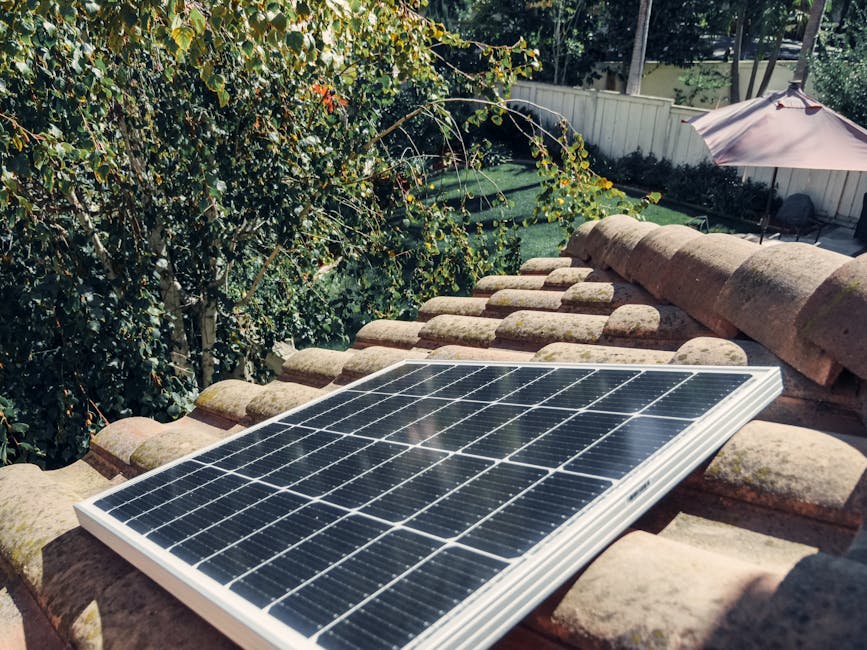
Solar power systems harness energy from the sun using photovoltaic (PV) panels. This energy is then converted into electricity that can be used immediately or stored in batteries for later use.
-
Power Output and Scalability: Solar power output is dependent on sunlight availability. Cloud cover, time of day, and panel orientation all influence the amount of electricity generated. The scalability of a solar system is a significant advantage. You can start with a small portable solar panel kit and gradually expand the system by adding more panels and batteries.
-
Battery Storage and Inverters: Solar power requires battery storage to provide electricity when the sun isn’t shining. Battery capacity determines how long you can run appliances without sunlight. Inverters are also necessary to convert the DC electricity from the solar panels and batteries into AC electricity for powering household appliances. Choosing the correct inverter size is crucial to meet your power needs.
-
Portability and Installation: Portable solar panels are relatively lightweight and easy to transport, making them ideal for camping and RVing. Larger, more permanent solar installations require more effort and may necessitate professional installation. Factors like roof orientation, shading, and wiring need careful consideration.
-
Cost Analysis: The initial cost of a solar power system can be higher than an inverter generator, particularly for larger systems with battery storage. However, solar energy is essentially free, eliminating the ongoing fuel costs associated with generators. The long-term cost savings can be substantial, especially in areas with abundant sunshine. Government incentives, such as tax credits, can also help offset the initial cost.
-
Environmental Impact: Solar power is a clean and renewable energy source. It produces no emissions during operation, reducing your carbon footprint and dependence on fossil fuels. The manufacturing of solar panels does have some environmental impact, but the overall lifecycle impact is significantly lower than that of fossil fuel-based power generation.
-
Maintenance and Lifespan: Solar panels require minimal maintenance, typically involving occasional cleaning to remove dirt and debris. High-quality solar panels have a lifespan of 25-30 years, making them a long-term investment. Batteries, however, have a shorter lifespan, typically ranging from 5 to 10 years, and will need to be replaced periodically.
-
Ideal Use Cases: Solar power is well-suited for situations where consistent sunlight is available and power demands are relatively low or can be managed through energy conservation. It’s an excellent choice for camping, RVing, and supplementing home energy. It’s also ideal for off-grid living where access to the electrical grid is limited or unavailable. Solar systems can provide reliable power for lighting, refrigeration, charging electronic devices, and running small appliances.
Head-to-Head Comparison Table
| Feature | Portable Inverter Generator | Solar Power System |
|---|---|---|
| Power Output | High, instant power on demand | Variable, dependent on sunlight |
| Scalability | Limited; can be paralleled with identical units | Highly scalable by adding panels and batteries |
| Fuel/Energy Source | Gasoline (or propane) | Sunlight |
| Fuel Costs | Ongoing fuel costs | Free energy after initial investment |
| Noise Level | Moderate; can be disruptive | Silent operation |
| Emissions | Produces emissions | Zero emissions during operation |
| Portability | Highly portable | Portable options available, larger systems less so |
| Maintenance | Regular maintenance required (oil changes, etc.) | Minimal maintenance (panel cleaning) |
| Lifespan | Typically 5-10 years with proper care | Solar panels: 25-30 years, Batteries: 5-10 years |
| Initial Cost | Lower initial cost | Higher initial cost, but long-term savings |
| Environmental Impact | Negative environmental impact | Positive environmental impact |
| Ideal For | High power demands, intermittent use, emergency backup | Consistent sunlight, lower power demands, off-grid living |
Conclusion:
Choosing between a portable inverter generator and a solar power system requires careful consideration of your individual needs and circumstances. If you need high power on demand and don’t mind the noise and emissions, a generator might be the better choice. If you prioritize sustainability, long-term cost savings, and silent operation, a solar power system is likely the superior option. For some, a hybrid approach, combining both technologies, might offer the best of both worlds. Analyzing your power consumption, budget, and environmental concerns will ultimately guide you towards the most suitable solution.
