Solar Suitcase Panels for Camping: Portable Power on the Go
Solar Suitcase Panels for Camping: Portable Power on the Go
Camping has evolved. No longer solely about roughing it in the wilderness, many modern campers desire a blend of outdoor adventure and technological convenience. This often translates to needing a reliable power source to charge smartphones, power laptops, run portable refrigerators, or even keep CPAP machines operational. Enter the solar suitcase panel – a compact, portable, and increasingly popular solution for off-grid power generation. This article delves into the intricacies of solar suitcase panels, exploring their components, advantages, disadvantages, selection criteria, and best practices for optimal performance during camping trips.
Understanding Solar Suitcase Panels: A Comprehensive Overview
A solar suitcase panel is essentially a self-contained solar power system housed in a foldable, briefcase-like format. This design emphasizes portability and ease of setup, making it ideal for camping and other outdoor activities. A typical solar suitcase panel consists of several key components:
-
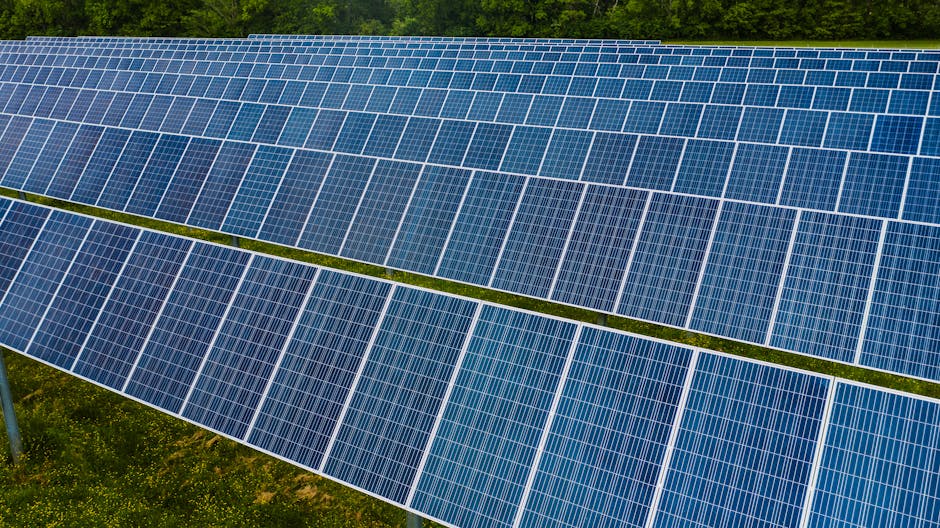
Solar Panels: These are the primary energy-harvesting components, converting sunlight into direct current (DC) electricity. Monocrystalline panels, known for their high efficiency and sleek black appearance, are commonly used in solar suitcases, although polycrystalline panels, which are slightly less efficient but more affordable, are also available. The wattage of the panels directly impacts the amount of power generated.
-
Charge Controller: This crucial component regulates the DC electricity produced by the solar panels before it reaches the battery. The charge controller prevents overcharging, which can damage the battery, and optimizes the charging process for maximum efficiency. Pulse Width Modulation (PWM) and Maximum Power Point Tracking (MPPT) are the two main types of charge controllers. MPPT controllers are more efficient, especially in low-light conditions, but they are also more expensive.
-
Battery Connection Cables: These cables connect the charge controller to the battery, allowing the generated electricity to be stored. The cables should be appropriately sized to handle the current flow and minimize voltage drop. Anderson Powerpole connectors are a popular choice due to their secure and reliable connection.
-
Support Stands/Legs: Most solar suitcase panels come with integrated support stands or legs that allow the panels to be angled towards the sun for optimal sunlight absorption. The adjustability of these stands is a key consideration, as it allows you to track the sun’s movement throughout the day.
-
Carrying Case/Suitcase: The entire system is enclosed in a durable carrying case, typically made of weather-resistant materials, protecting the panels and other components during transport and storage.
Advantages of Using Solar Suitcase Panels for Camping
Solar suitcase panels offer a multitude of benefits for campers seeking off-grid power:
-
Portability: The compact and foldable design makes them easy to transport and store, fitting easily in car trunks or RV compartments. This is a major advantage over larger, rigid solar panels.
-
Ease of Setup: No professional installation is required. Simply unfold the suitcase, adjust the support stands, connect the battery cables, and point the panels towards the sun. The simplicity makes them accessible to users with limited technical expertise.
-
Silent Operation: Unlike generators, solar panels operate silently, preserving the peace and tranquility of the campsite. This is a significant advantage for those seeking a natural and undisturbed camping experience.
-
Environmentally Friendly: Solar power is a clean and renewable energy source, reducing your carbon footprint and reliance on fossil fuels. Using solar suitcase panels allows you to enjoy the convenience of electricity without harming the environment.
-
Cost-Effective in the Long Run: While the initial investment may be higher than that of a generator, solar panels can save money in the long run by eliminating the need for fuel. The lifespan of solar panels is also typically longer than that of generators.
-
Versatility: Solar suitcase panels can be used in a variety of settings, including camping, RVing, boating, and emergency preparedness. They are a versatile power solution for off-grid applications.
Disadvantages to Consider Before Purchasing
Despite their numerous advantages, solar suitcase panels also have some limitations:
-
Dependence on Sunlight: The amount of power generated depends heavily on sunlight availability. Cloudy or shaded conditions can significantly reduce power output.
-
Initial Investment: The upfront cost of solar suitcase panels can be higher than that of other portable power solutions, such as generators.
-
Limited Power Output: The power output of solar suitcase panels is typically lower than that of larger, roof-mounted solar systems. This may not be sufficient for powering high-energy appliances for extended periods.
-
Battery Requirement: Solar suitcase panels require a battery to store the generated electricity. The battery adds to the overall cost and weight of the system.
-
Security Concerns: Solar panels can be vulnerable to theft, especially when left unattended at campsites.
Choosing the Right Solar Suitcase Panel: Key Considerations
Selecting the right solar suitcase panel involves carefully considering your power needs, budget, and camping style. Here are some key factors to evaluate:
-
Power Needs: Estimate the total wattage requirements of all the devices you plan to power during your camping trip. This will help determine the appropriate wattage of the solar panels. Consider both the running wattage and the surge wattage of appliances with motors, such as refrigerators.
-
Panel Wattage: Solar suitcase panels are available in a range of wattages, typically from 50W to 200W or more. Choose a wattage that meets or slightly exceeds your estimated power needs. Remember that the stated wattage is the maximum output under ideal conditions, which may not always be achievable in real-world scenarios.
-
Charge Controller Type: Decide between PWM and MPPT charge controllers. MPPT controllers are more efficient and perform better in low-light conditions, but they are also more expensive. If you frequently camp in cloudy areas or during off-season, an MPPT controller is a worthwhile investment.
-
Battery Compatibility: Ensure that the solar suitcase panel is compatible with the type of battery you plan to use (e.g., lead-acid, lithium-ion). The charge controller should be properly configured for the specific battery chemistry.
-
Panel Type: Choose between monocrystalline and polycrystalline panels. Monocrystalline panels are more efficient and have a longer lifespan, but they are also more expensive. Polycrystalline panels are a more affordable option.
-
Durability and Weather Resistance: Look for a solar suitcase panel with a durable carrying case and weather-resistant panels. This will protect the system from damage during transport and exposure to the elements.
-
Portability and Weight: Consider the weight and folded dimensions of the solar suitcase panel. Choose a model that is easy to carry and store in your vehicle.
-
Warranty: Check the warranty offered by the manufacturer. A longer warranty provides peace of mind and protection against defects.
Maximizing Solar Suitcase Panel Performance: Best Practices
To get the most out of your solar suitcase panel, follow these best practices:
-
Positioning: Place the panels in a location that receives direct sunlight for the longest possible duration. Angle the panels towards the sun for optimal sunlight absorption. Adjust the angle throughout the day as the sun moves across the sky.
-
Cleanliness: Keep the panels clean by regularly wiping them with a soft cloth. Dust, dirt, and bird droppings can reduce power output.
-
Shading: Avoid shading the panels, even partially. Even a small amount of shade can significantly reduce power output.
-
Battery Maintenance: Properly maintain your battery by following the manufacturer’s recommendations. This includes regularly checking the water levels (for lead-acid batteries) and avoiding deep discharges.
-
Monitor Performance: Use a battery monitor or voltmeter to track the charging progress and ensure that the system is functioning correctly.
-
Safety Precautions: Always follow safety precautions when working with electricity. Wear gloves and eye protection, and avoid working in wet conditions.
By carefully considering these factors and following these best practices, you can maximize the performance of your solar suitcase panel and enjoy a reliable source of power during your camping adventures. The convenience and sustainability offered by solar suitcase panels make them an increasingly attractive option for modern campers seeking to stay connected and powered up while exploring the great outdoors.