Budget-Friendly Solar Panels for Van Life: Save Money on Solar
Budget-Friendly Solar Panels for Van Life: Save Money on Solar
Van life offers unparalleled freedom and a connection with nature, but powering your mobile home sustainably requires careful planning, especially when on a budget. Solar panels are a cornerstone of off-grid van life, providing electricity for lighting, appliances, and charging devices. While high-end solar setups can be appealing, numerous budget-friendly options can effectively meet your energy needs without breaking the bank.
Understanding Your Energy Needs: The First Step to Savings
Before diving into solar panel shopping, meticulously calculate your energy consumption. This will dictate the size and type of solar system you require, preventing overspending on unnecessary capacity.
- Inventory Your Appliances: List every device you plan to use in your van, including lights (LED wattage is crucial), refrigerator/cooler, laptop, phone charger, cooking appliances (induction cooktops or electric kettles are energy-intensive), water pump, fan, and any other electronic gadgets.
- Estimate Daily Usage: For each appliance, estimate how many hours per day it will be in use. For example, a refrigerator might run intermittently for 8 hours, while LED lights might be on for 4 hours.
- Calculate Watt-Hours Per Day: Multiply the wattage of each appliance by its daily usage hours to determine its daily watt-hour consumption. Sum up the watt-hours for all appliances to arrive at your total daily energy requirement.
- Account for Inverter Inefficiency: If you plan to use AC appliances (like a laptop charger), you’ll need an inverter to convert DC power from your solar panels and batteries to AC power. Inverters are not 100% efficient; typically, they operate at around 85-90% efficiency. Therefore, factor in this energy loss by multiplying your total watt-hours by 1.15 (to account for approximately 15% loss).
- Consider Seasonal Variation: Your energy consumption might vary depending on the season. During colder months, you may use more heating, while during warmer months, you might rely more on fans or air conditioning (if applicable). Factor in the highest anticipated energy consumption to ensure adequate solar power generation.
- Example Calculation: Let’s say you have:
- LED lights (10W) for 4 hours/day = 40 watt-hours
- Refrigerator (50W) for 8 hours/day = 400 watt-hours
- Laptop (60W) for 2 hours/day = 120 watt-hours
- Phone charger (10W) for 2 hours/day = 20 watt-hours
- Total daily watt-hours = 580 watt-hours
- Adjusted for inverter inefficiency (15%) = 580 * 1.15 = 667 watt-hours
Choosing the Right Solar Panel Type for Your Budget
Several types of solar panels are available, each with its pros and cons regarding cost, efficiency, and durability.
- Monocrystalline Panels: These panels are the most efficient and have a sleek, uniform black appearance. They are made from single-crystal silicon, which allows them to generate more power per square foot. While traditionally more expensive, monocrystalline panels have become more affordable in recent years, making them a viable option for budget-conscious van dwellers, especially when space is limited.
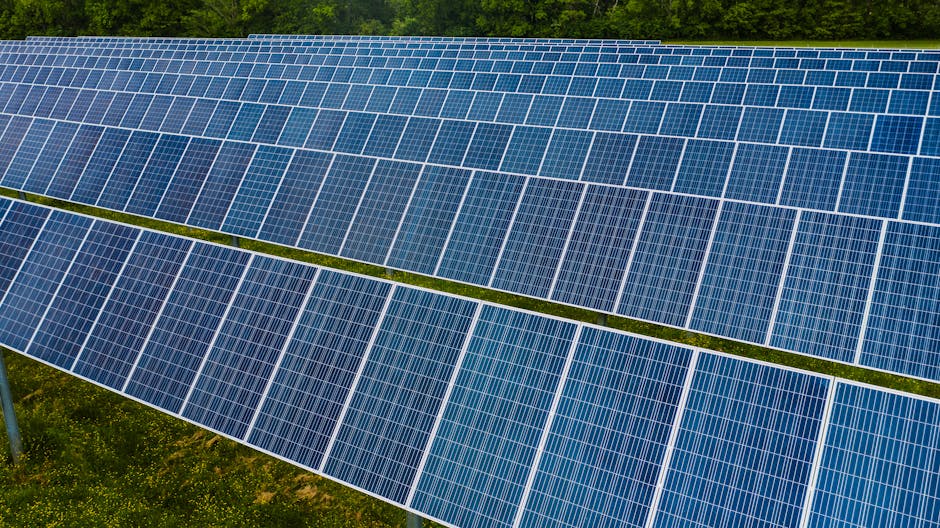
- Polycrystalline Panels: These panels are made from multiple silicon crystals, resulting in a slightly lower efficiency compared to monocrystalline panels. They have a blue, speckled appearance. Polycrystalline panels are generally less expensive than monocrystalline panels, making them an attractive option if you have more roof space available and prioritize cost savings.
- Flexible Solar Panels: These panels are thin and lightweight, allowing them to conform to curved surfaces. They are often glued directly to the van roof, eliminating the need for mounting brackets. While convenient, flexible panels are typically less efficient and more prone to damage from heat and UV exposure compared to rigid panels. They also tend to degrade faster, shortening their lifespan. Proceed with caution when considering flexible panels, and prioritize high-quality brands known for their durability.
- Used Solar Panels: Buying used solar panels can be a significant cost-saving measure. Look for panels from reputable sources, such as solar installers who are upgrading systems or individuals selling panels that are still in good working condition. Thoroughly inspect used panels for any signs of damage, such as cracks, delamination, or burnt spots. Test the panels with a multimeter to ensure they are producing the expected voltage and amperage.
Sizing Your Solar Panel System: Finding the Sweet Spot
Once you know your daily energy needs, you can determine the appropriate size of your solar panel system.
- Sunlight Hours: The amount of sunlight your panels receive each day will significantly impact their power generation. This varies greatly depending on your location and the time of year. Research the average peak sun hours for your intended travel areas. Peak sun hours represent the equivalent number of hours per day that your panels receive full sunlight (1000 watts per square meter).
- Panel Wattage Calculation: Divide your total daily watt-hour requirement by the peak sun hours to determine the required solar panel wattage. For example, if you need 667 watt-hours per day and you expect 5 peak sun hours, you would need approximately 133 watts of solar panels (667 / 5 = 133.4). It’s wise to slightly overestimate your needs to account for cloudy days and panel degradation over time.
- Budget Considerations: Solar panel wattage directly correlates to cost. Start with the minimum wattage required to meet your basic needs. You can always add more panels later if your energy demands increase. Consider starting with a smaller system (e.g., 100W or 200W) and expanding as your budget allows.
Essential Components: Beyond the Solar Panel
Solar panels are just one component of a complete solar power system. You’ll also need the following:
- Charge Controller: This device regulates the voltage and current flowing from the solar panels to the batteries, preventing overcharging and extending battery life. MPPT (Maximum Power Point Tracking) charge controllers are more efficient than PWM (Pulse Width Modulation) charge controllers, extracting more power from the panels, especially in low-light conditions. While MPPT controllers are more expensive, their increased efficiency can justify the investment in the long run.
- Batteries: Batteries store the energy generated by the solar panels, providing power when the sun isn’t shining. Deep-cycle batteries are designed for repeated charging and discharging, making them ideal for solar applications. AGM (Absorbent Glass Mat) batteries are a popular choice for van life due to their sealed design, low maintenance, and resistance to vibration. Lithium batteries offer superior performance (higher energy density, longer lifespan, faster charging) but come at a higher cost. Consider LiFePO4 (Lithium Iron Phosphate) batteries for improved safety.
- Inverter (Optional): If you need to power AC appliances, you’ll need an inverter to convert the DC power from your batteries to AC power. Choose an inverter with sufficient wattage to handle the combined wattage of all your AC appliances.
- Wiring and Connectors: Use appropriately sized wiring and connectors to ensure safe and efficient power transfer. Consult a wiring chart or a qualified electrician to determine the correct wire gauge for your system.
- Mounting Hardware: Securely mount your solar panels to your van roof using appropriate mounting brackets. Consider adjustable brackets to optimize panel angle for maximum sunlight exposure.
DIY vs. Professional Installation: Weighing the Pros and Cons
Installing a solar panel system yourself can save you money on labor costs. However, it requires a good understanding of electrical wiring and safety procedures.
- DIY Installation: If you are comfortable working with electrical systems and have the necessary tools, a DIY installation can be a cost-effective option. Thoroughly research the installation process, follow safety guidelines, and double-check your wiring before connecting the system.
- Professional Installation: Hiring a professional installer will ensure that your system is installed correctly and safely. While this option is more expensive, it provides peace of mind and can save you time and potential headaches. Obtain quotes from multiple installers to compare prices and services.
Tips for Saving Money on Solar Panels
- Shop Around: Compare prices from different retailers and online marketplaces.
- Look for Sales and Discounts: Take advantage of seasonal sales, clearance events, and manufacturer rebates.
- Consider Refurbished Equipment: Refurbished solar panels and charge controllers can offer significant cost savings.
- Buy a Solar Kit: Solar kits often include all the necessary components at a discounted price.
- Start Small and Expand: Begin with a smaller system and add more panels as your budget allows.
- DIY Installation: If you’re comfortable with electrical work, install the system yourself.
- Focus on Efficiency: Invest in efficient appliances and LED lighting to reduce your overall energy consumption.
By carefully planning your energy needs, choosing the right solar panel type, and following these money-saving tips, you can create a budget-friendly solar power system for your van life adventures. Remember, sustainability and affordability can go hand in hand, allowing you to enjoy the freedom of off-grid living without breaking the bank.