How to run solar power system safely in van
Solar Power in Your Van: A Guide to Safe Operation
Understanding the Core Components:
The heart of any van solar power system lies in its fundamental components. These elements work in concert to capture, convert, store, and deliver electricity, enabling you to power your appliances and devices while off-grid. Safety, however, begins with a deep understanding of each component and its inherent risks.
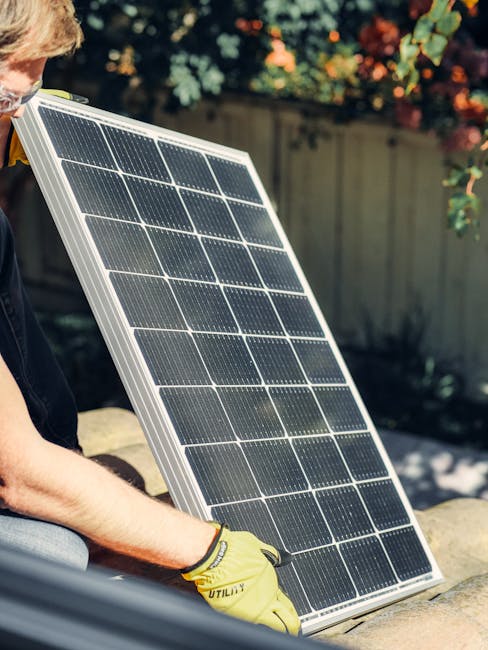
- Solar Panels: These photovoltaic (PV) modules capture sunlight and convert it into direct current (DC) electricity. Van solar panels are typically rigid or flexible, ranging in wattage from 100W to over 400W each. The voltage output of a solar panel is crucial; exceeding the voltage limits of your charge controller or battery can cause serious damage and fire hazards. Check open circuit voltage (Voc) and maximum power point voltage (Vmp) specifications carefully. Scratches and cracks on the panel surface can reduce efficiency and potentially create hotspots, so regular visual inspections are essential.
- Charge Controller (Regulator): This critical component regulates the DC voltage from the solar panels before it reaches the battery bank, preventing overcharging, which can damage the batteries and create a fire risk. There are two main types: PWM (Pulse Width Modulation) and MPPT (Maximum Power Point Tracking). MPPT controllers are more efficient, especially in partial shading conditions. Incorrect charge controller settings for your battery type (e.g., flooded lead-acid, AGM, LiFePO4) are a common source of battery damage and potential hazards. Consult the charge controller and battery manuals carefully for proper configuration. Ensure the charge controller is adequately sized for the total wattage of your solar panels. Undersized controllers can overheat and fail, while oversized controllers are simply inefficient.
- Battery Bank: The battery bank stores the DC electricity generated by the solar panels, providing a power reserve for when the sun isn’t shining. Lithium Iron Phosphate (LiFePO4) batteries are increasingly popular due to their high energy density, long lifespan, and safety features. However, flooded lead-acid and AGM batteries are still common and more affordable. Each battery type has specific charging requirements. Mismatched batteries in a bank can lead to uneven charging and discharging, reducing overall lifespan and potentially causing damage. Regularly inspect battery terminals for corrosion and ensure they are tightly secured. Avoid deep discharging lead-acid batteries beyond 50% state of charge to prolong their life. For LiFePO4 batteries, ensure the battery management system (BMS) is functioning correctly.
- Inverter: An inverter converts the DC electricity from the battery bank into alternating current (AC) electricity, which is used to power standard household appliances. Inverters come in various sizes, ranging from small modified sine wave inverters to large pure sine wave inverters. The inverter’s wattage rating must be sufficient to handle the combined wattage of all AC appliances you plan to use simultaneously. Overloading an inverter can cause it to overheat and shut down, or even fail catastrophically. Regularly check the inverter’s cooling fan to ensure it is functioning properly. Secure the inverter in a well-ventilated location to prevent overheating.
- Wiring and Fuses: Proper wiring and fusing are absolutely critical for safety. Use appropriately sized wiring for the amperage of each circuit. Undersized wiring can overheat and cause a fire. Refer to wire sizing charts based on amperage and length of the wire run. Use fuses or circuit breakers to protect each component and circuit from overcurrent. Fuse ratings should be slightly higher than the expected operating current but lower than the wire’s ampacity. Install fuses as close as possible to the battery and solar panel connections. Regularly inspect wiring for damage, wear, and loose connections. Use appropriate terminals and crimping tools for secure connections.
Installation Best Practices for Enhanced Safety:
Proper installation is the bedrock of a safe solar power system in your van. Sloppy or incorrect installation can create hazards that are difficult to detect and can lead to serious consequences.
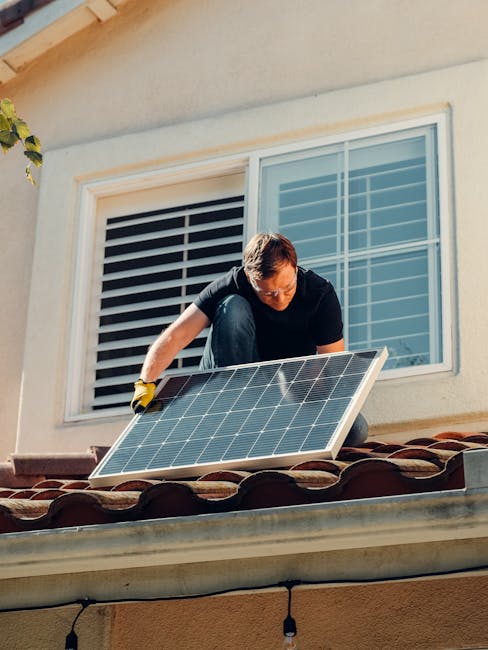
- Panel Mounting: Securely mount solar panels to the van roof to withstand wind loads and vibrations. Use appropriate mounting hardware designed for van roofs. Ensure the mounting system is properly grounded to the van chassis. Avoid drilling holes in the van roof whenever possible; use adhesive mounting options. Inspect the mounting system regularly for looseness or damage.
- Wiring Runs: Route wiring safely and securely, protecting it from abrasion, sharp edges, and heat sources. Use conduit or cable trays to organize and protect wiring runs. Avoid running wiring near exhaust pipes or other hot components. Secure wiring with zip ties or clamps to prevent it from moving and rubbing against surfaces. Use waterproof connectors for all outdoor connections.
- Battery Placement: Choose a safe and well-ventilated location for the battery bank. Avoid placing batteries in direct sunlight or near heat sources. Secure batteries to prevent them from shifting during travel. For flooded lead-acid batteries, ensure adequate ventilation to prevent the build-up of explosive hydrogen gas. Use a battery box or tray to contain any spills.
- Grounding: Properly ground all components to the van chassis to prevent electrical shock. Use a dedicated grounding wire of appropriate size. Connect the grounding wire to a clean, unpainted metal surface on the van chassis. Test the grounding connection with a multimeter to ensure continuity.
- Component Placement: Install the charge controller and inverter in well-ventilated locations to prevent overheating. Avoid placing these components in enclosed spaces. Ensure easy access to these components for maintenance and troubleshooting.
Operational Safety Procedures:
Even with a properly installed system, safe operation requires diligence and awareness. Follow these procedures to minimize risks and ensure the longevity of your system.
- Regular Inspections: Conduct regular visual inspections of all components, wiring, and connections. Look for signs of damage, wear, corrosion, or overheating. Check battery terminals for tightness and corrosion. Inspect solar panel surfaces for cracks or scratches.
- Voltage and Current Monitoring: Regularly monitor the voltage and current of the solar panels, charge controller, and battery bank using a multimeter or monitoring system. Compare these readings to the expected values to identify any potential problems. Pay attention to battery state of charge and avoid deep discharging lead-acid batteries.
- Load Management: Manage your power consumption carefully to avoid overloading the inverter or depleting the battery bank excessively. Know the wattage requirements of all your appliances and devices. Avoid using multiple high-wattage appliances simultaneously. Use energy-efficient appliances and lighting to reduce overall power consumption.
- Battery Maintenance: Follow the manufacturer’s recommendations for battery maintenance, including watering flooded lead-acid batteries (if applicable) and cleaning battery terminals. Periodically equalize lead-acid batteries to prevent sulfation.
- Emergency Procedures: Know how to safely disconnect the solar power system in case of an emergency, such as a fire or electrical fault. Have a fire extinguisher readily available. Keep a first-aid kit on hand. Know how to contact emergency services in your location.
- Professional Consultation: If you are unsure about any aspect of your solar power system, consult with a qualified electrician or solar installer. They can provide expert advice and assistance with installation, troubleshooting, and maintenance.
By meticulously adhering to these guidelines, you can significantly enhance the safety and reliability of your van’s solar power system, allowing you to enjoy the freedom of off-grid living with peace of mind. Remember that electricity can be dangerous, and a proactive approach to safety is paramount.