RV vs Van Solar Panels: What’s the Difference?
RV vs Van Solar Panels: What’s the Difference?
Choosing the right solar panel system for your recreational vehicle (RV) or van conversion can be a daunting task. While the fundamental principle of harnessing solar energy remains the same, the specific requirements and considerations for each application differ significantly. Understanding these differences is crucial for optimizing efficiency, cost-effectiveness, and overall performance of your solar setup.
Energy Needs Assessment: A Foundational Distinction
The initial divergence between RV and van solar lies in the anticipated energy consumption. RVs, especially larger models, are often equipped with a greater array of appliances and electrical systems. Air conditioning units, residential refrigerators, multiple televisions, and other power-hungry devices are commonplace in RVs. Consequently, RV solar systems typically require higher wattage capabilities and larger battery banks to accommodate the increased energy demand.
Vans, on the other hand, are often designed for more minimalist lifestyles and prioritize fuel efficiency and maneuverability. While some vans might include refrigerators, cooking appliances, and entertainment systems, the overall energy consumption is generally lower than that of a fully equipped RV. This difference allows van solar systems to be smaller, lighter, and potentially more affordable.
Roof Space and Mounting Options: Physical Constraints
The available roof space is a critical factor influencing solar panel selection. RVs typically boast larger and flatter roof areas compared to vans. This generous space allows for the installation of multiple larger solar panels, maximizing the energy generation potential. RV roofs are often constructed with reinforced structures, providing robust mounting points for heavier solar panels.
Van roofs, especially those of smaller vans, present a more confined and often curved surface. This limitation dictates the use of smaller, more flexible solar panels or strategically placed rigid panels. Mounting options for vans can be more challenging, requiring specialized mounting hardware that conforms to the roof contours and minimizes wind resistance. Avoiding drilling into the van roof is often preferred, necessitating the use of adhesive mounting solutions or pre-existing mounting rails.
Panel Types: Rigid vs Flexible vs Portable
The market offers a variety of solar panel types, each with its own advantages and disadvantages for RV and van applications.
-
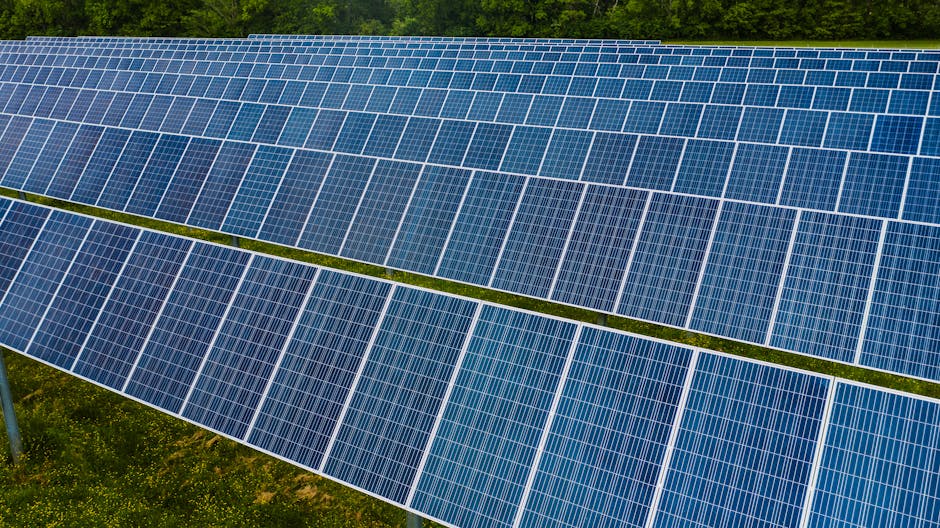
Rigid Solar Panels: These panels are typically made from monocrystalline or polycrystalline silicon and encased in a durable frame. They are known for their high efficiency, long lifespan, and relatively lower cost per watt. Rigid panels are well-suited for RVs with ample roof space and robust mounting surfaces. They offer excellent performance in direct sunlight and are resistant to weather elements. However, their rigidity and weight can make them less suitable for curved van roofs or situations where weight is a major concern.
-
Flexible Solar Panels: These panels are designed to conform to curved surfaces, making them ideal for van roofs. They are lightweight and can be directly adhered to the roof using strong adhesives, eliminating the need for drilling. However, flexible panels generally have lower efficiency compared to rigid panels and are more susceptible to damage from flexing and overheating. Their lifespan can also be shorter, especially in harsh environmental conditions.
-
Portable Solar Panels: These panels are typically foldable or come in a suitcase-style design. They are not permanently mounted and can be moved to optimize sun exposure. Portable panels offer flexibility for both RV and van users, allowing them to supplement their roof-mounted systems or provide power when parked in shaded areas. They are particularly useful for van conversions where roof space is limited or where owners prefer a non-permanent solar solution. However, portable panels require manual setup and positioning, which can be inconvenient.
Wiring and Electrical System Integration: Complexity Levels
Integrating solar panels into an RV or van requires a comprehensive electrical system that includes charge controllers, batteries, inverters, and wiring.
-
Charge Controllers: These devices regulate the voltage and current flowing from the solar panels to the batteries, preventing overcharging and maximizing battery lifespan. RV solar systems often utilize more advanced charge controllers with features such as Maximum Power Point Tracking (MPPT), which optimizes energy harvest from the panels. Van solar systems, especially smaller ones, may use simpler PWM (Pulse Width Modulation) charge controllers, which are less efficient but also less expensive.
-
Batteries: The battery bank stores the energy generated by the solar panels for later use. RVs typically require larger battery banks to power their higher energy demands. Lithium-ion batteries are becoming increasingly popular due to their high energy density, long lifespan, and fast charging capabilities. Vans may use smaller battery banks, often opting for AGM (Absorbent Glass Mat) batteries, which are more affordable and require less maintenance than flooded lead-acid batteries.
-
Inverters: Inverters convert the DC power from the batteries to AC power, which is required to run most household appliances. RVs often use larger inverters to power multiple appliances simultaneously. Van inverters are typically smaller and designed to power specific devices, such as laptops, phone chargers, or small kitchen appliances.
-
Wiring: Proper wiring is essential for safety and efficiency. RV solar systems require thicker gauge wiring to handle the higher current loads. Van solar systems may use thinner gauge wiring due to the lower power demands. The wiring must be properly insulated and protected from abrasion and environmental elements.
Cost Considerations: Budgeting for Solar Power
The cost of a solar panel system can vary significantly depending on the size, type, and complexity of the installation. RV solar systems generally cost more due to the higher wattage requirements, larger battery banks, and more complex electrical components. Van solar systems can be more affordable, especially for smaller setups. Flexible solar panels, while convenient for vans, can be more expensive per watt than rigid panels. Portable solar panels offer a lower upfront cost but may not provide sufficient power for all applications.
Weight Management: A Critical Factor for Vans
Weight is a crucial consideration for van conversions, as exceeding the vehicle’s Gross Vehicle Weight Rating (GVWR) can compromise safety and fuel efficiency. Solar panels, batteries, and mounting hardware all contribute to the overall weight of the van. Therefore, van owners must carefully consider the weight of each component and choose lightweight options whenever possible. Flexible solar panels and lithium-ion batteries are often preferred for their weight-saving advantages. RVs, with their higher GVWRs, have more leeway in terms of weight but should still consider the impact of solar panels on fuel efficiency.
Durability and Environmental Factors: Harsh Conditions
Both RV and van solar panels are exposed to harsh environmental conditions, including extreme temperatures, UV radiation, rain, wind, and snow. Solar panels must be durable enough to withstand these conditions and maintain their performance over time. Rigid solar panels typically offer better durability and weather resistance than flexible panels. Selecting panels with a high-quality encapsulation material and a robust frame is crucial for ensuring longevity. Proper mounting and wiring are also essential for preventing damage from vibration and environmental factors.
DIY vs Professional Installation: Expertise and Safety
Installing a solar panel system can be a DIY project, but it requires a thorough understanding of electrical systems, solar energy principles, and safety regulations. RV owners may be more inclined to tackle the installation themselves due to their experience with RV systems. Van owners, especially those new to electrical work, may prefer to hire a professional installer to ensure proper installation and avoid potential hazards. Professional installers can provide expert advice, ensure compliance with safety codes, and offer warranties on their work.
Resale Value: Enhancing Your Vehicle’s Appeal
Adding a solar panel system can increase the resale value of both RVs and vans. A well-designed and properly installed solar system can be a significant selling point, especially for buyers who are interested in off-grid living or reducing their reliance on traditional power sources. High-quality components, professional installation, and a comprehensive electrical system will further enhance the value of the vehicle.